
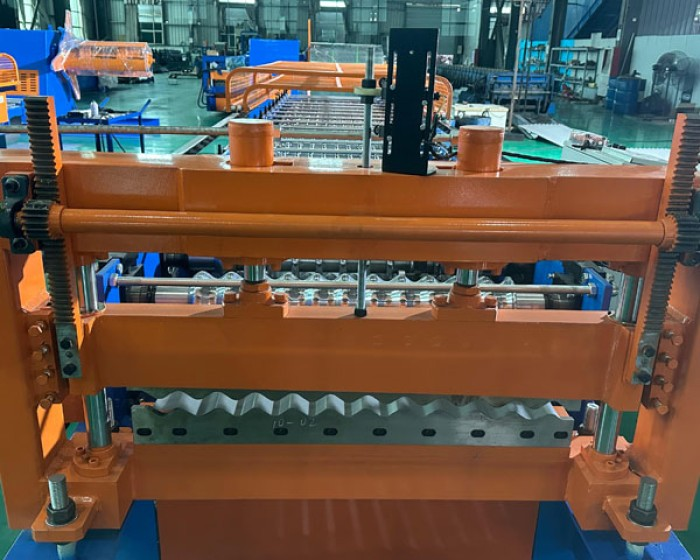
Intelligent manufacturing equipment is transforming modern production by combining automation, digital technology, and advanced control systems to improve efficiency and product quality. Manufacturers across the construction and metal processing industries are adopting smart machinery to increase productivity, reduce operational costs, and maintain consistent manufacturing standards. By integrating real-time monitoring and automated operations, intelligent equipment helps businesses optimize production while minimizing waste and downtime. Modern solutions such as the light gauge steel frame machine, produced by experienced light gauge steel framing manufacturers, demonstrate how advanced technology is improving today's manufacturing processes.
What Is Intelligent Manufacturing Equipment?
Intelligent manufacturing equipment refers to machines that use automated controls, sensors, digital monitoring, and data-driven systems to perform manufacturing tasks with minimal manual intervention. These technologies allow equipment to operate efficiently while providing valuable production data for better operational management.
The result is a manufacturing process that is more accurate, reliable, and responsive to changing production requirements.
Benefits of Intelligent Manufacturing Equipment
Higher Production Efficiency
Smart manufacturing systems operate continuously with optimized production settings, allowing manufacturers to increase output while maintaining stable operations.
Improved Product Quality
Advanced control systems ensure consistent machine performance throughout every production cycle. Accurate manufacturing reduces defects and helps maintain high-quality finished products.
Reduced Equipment Downtime
Real-time monitoring allows operators to identify potential machine issues before they become serious problems. Preventive maintenance improves equipment reliability and minimizes production interruptions.
Better Resource Utilization
Intelligent equipment optimizes material usage, machine operation, and production scheduling. Efficient resource management helps lower manufacturing costs and reduce waste.
Flexible Manufacturing
Modern intelligent machinery can quickly adjust production settings for different product specifications, allowing manufacturers to respond efficiently to changing customer demands.
Applications of Intelligent Manufacturing Equipment
Intelligent manufacturing equipment is widely used to produce roofing panels, wall panels, steel framing components, structural profiles, industrial building materials, warehouse systems, commercial construction products, modular building components, and infrastructure materials. Its flexibility supports efficient manufacturing across multiple industries.
Advantages of Intelligent Manufacturing
- Higher production efficiency
- Improved manufacturing accuracy
- Consistent product quality
- Reduced material waste
- Lower equipment downtime
- Better production management
- Reliable long-term performance
Choosing Advanced Manufacturing Equipment
Manufacturers should select equipment that offers intelligent control systems, automated operation, precision engineering, high production capacity, and dependable technical support. Investing in advanced machinery helps improve operational efficiency while supporting future business growth.
Modern intelligent production systems also provide greater flexibility, enabling manufacturers to expand their product range without compromising quality.
Conclusion
Intelligent manufacturing equipment is helping businesses improve efficiency, enhance product quality, reduce downtime, and optimize production through advanced automation and digital technologies. As manufacturing continues to evolve, smart equipment will remain essential for companies seeking long-term competitiveness and sustainable growth.
Whether investing in a light gauge steel frame machine or partnering with experienced light gauge steel framing manufacturers, manufacturers can strengthen their production capabilities, improve operational performance, and deliver high-quality steel products that meet the demands of the modern construction industry.