
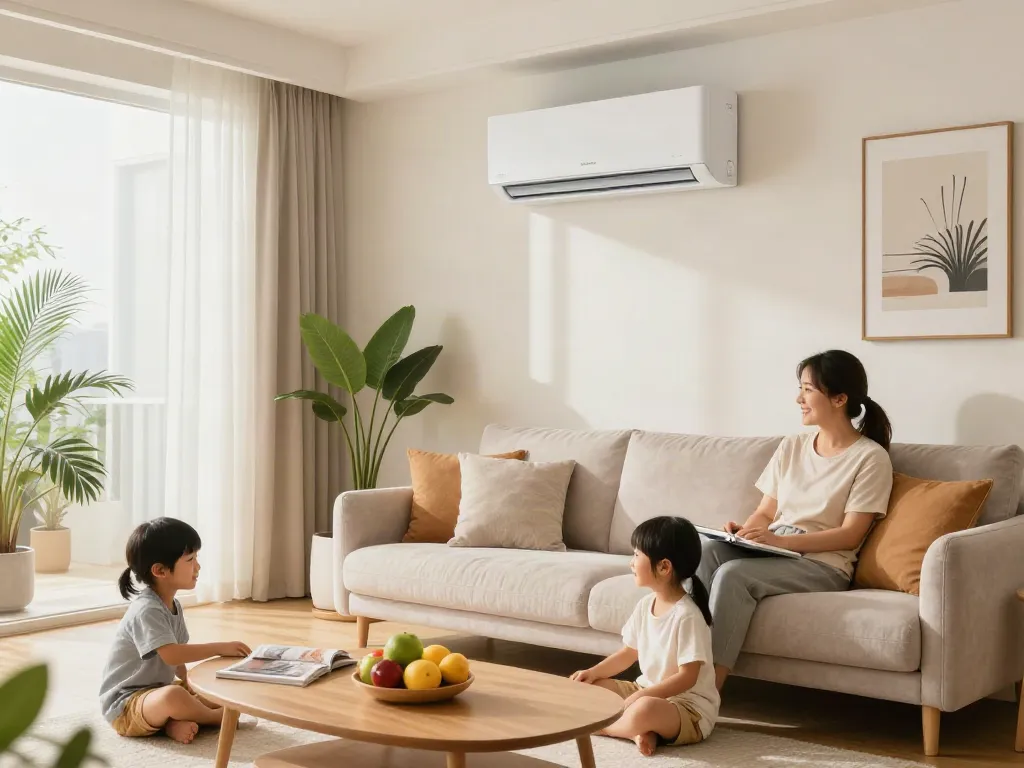
Understanding Ductless Air Conditioners
Ductless air conditioners are revolutionizing the way homeowners approach climate control in their spaces. These systems, which can provide both heating and cooling, are becoming increasingly popular due to their efficiency and flexibility. Unlike traditional central air conditioning systems that require extensive ductwork, ductless systems, or mini-splits, are designed to operate without ducts, allowing for targeted cooling in specific rooms or zones. When exploring options, ductless air conditioner solutions offer many advantages that cater to modern needs.
What is a Ductless Air Conditioner?
A ductless air conditioner, often referred to as a mini-split system, consists of two main components: an indoor unit and an outdoor compressor. The indoor unit is mounted on a wall or ceiling and is responsible for cooling or heating a designated area. The outdoor unit holds the compressor and condensing coil, which is connected to the indoor unit via refrigerant lines. This type of system is particularly advantageous in situations where installing ductwork is impractical or too expensive.
How Do Ductless Systems Work?
Ductless air conditioners operate on the principle of air conditioning by transferring heat rather than generating cold air. By extracting warm air from indoors and releasing it outside, these systems effectively lower the indoor temperature. In heating mode, the process is reversed, drawing heat from the outdoor air and transferring it indoors. This two-way operation makes ductless systems versatile and suitable for different climates.
Key Components of a Ductless AC Unit
Understanding the key components of ductless air conditioners can help homeowners make informed decisions regarding their installation and maintenance. The essential parts include:
- Indoor Unit: This unit contains the evaporator coil and the fan. It circulates air throughout the space and is designed to operate quietly.
- Outdoor Unit: Houses the compressor, condenser coil, and a fan. It is responsible for expelling heat from the indoor environment.
- Refrigerant Lines: These lines connect the indoor and outdoor units, allowing for the transfer of refrigerant between the two components.
- Remote Control: Most ductless systems come with a remote control for convenient operation and temperature adjustments.
Benefits of Ductless Air Conditioners
Energy Efficiency and Cost Savings
Ductless air conditioners are renowned for their energy efficiency. The absence of ductwork eliminates energy loss associated with traditional systems, where a significant portion of cooled or heated air can be lost through leaks and unconditioned spaces. According to the U.S. Department of Energy, ductless systems can provide energy savings of up to 30%. This efficiency translates into lower utility bills and a reduced carbon footprint, making them an eco-friendly choice.
Improved Air Quality and Comfort
Indoor air quality is enhanced with ductless air conditioners since they often come equipped with advanced filtration systems that capture dust, allergens, and other pollutants. Furthermore, the ability to regulate temperatures in individual rooms allows for personalized comfort. Households can avoid the discomfort of uneven heating or cooling, ensuring that every room maintains a pleasant atmosphere.
Flexible Installation Options
One of the standout features of ductless air conditioning systems is their flexibility in installation. They can be mounted on walls, ceilings, or even flush with the ceiling, providing various aesthetic options for homeowners. This versatility allows installation in spaces where traditional ducts cannot reach, such as attics, basements, and older homes lacking duct infrastructure.
Choosing the Right Ductless Air Conditioner for Your Home
Factors to Consider When Selecting a Unit
When selecting a ductless air conditioner, several factors should be considered to ensure optimal performance and satisfaction:
- Energy Efficiency Ratings: Look for units with a high Seasonal Energy Efficiency Ratio (SEER) rating for better energy savings.
- Heating and Cooling Capacity: Ensure the system can adequately handle the size of the area intended for cooling or heating.
- Brand Reputation: Choose reputable brands known for quality and customer service.
- Noise Levels: Check the decibel (dB) level of the indoor unit, especially for bedrooms or quiet spaces.
Sizing Your Ductless System Correctly
Correctly sizing your ductless air conditioner is crucial for efficiency and comfort. An undersized unit will struggle to cool or heat effectively, while an oversized unit may cycle on and off too frequently, leading to higher energy costs. To determine the correct size, consult with HVAC professionals who can perform a load calculation based on factors such as room size, insulation levels, and window types.
Top Brands and Models in 2026
As of 2026, several brands lead the market in ductless air conditioning systems. Notable mentions include:
- Mitsubishi Electric: Known for their reliability and high efficiency.
- Daikin: Offers innovative technology and a wide range of options.
- LG: Combines aesthetic designs with effective performance.
Installation and Maintenance of Ductless Systems
Professional Installation vs. DIY
While some homeowners may consider DIY installation for ductless air conditioners, professional installation is highly recommended. Experts ensure that the system is installed to manufacturer specifications, optimizing efficiency and performance. Additionally, improper installation can lead to issues like refrigerant leaks and inadequate temperature control.
Regular Maintenance Tips for Longevity
To keep ductless air conditioning systems running smoothly, regular maintenance is essential. Homeowners should:
- Clean or replace the air filters every 1-3 months, depending on usage.
- Schedule professional maintenance annually to inspect the refrigerant levels and ensure efficient operation.
- Keep the outdoor unit clear of debris and obstructions to maintain airflow.
Common Issues and Troubleshooting
Ductless air conditioners are generally reliable, but problems can arise. Common issues include:
- Insufficient Cooling: May indicate blocked filters or refrigerant issues.
- Unusual Noises: Could signify loose parts or a malfunctioning fan.
- Frequent Cycling: Often caused by improper sizing, leading to inefficient operation.
Future Trends in Ductless Air Conditioning
Technological Innovations Affecting Ductless AC
The ductless air conditioning industry is continuously evolving, with advancements in technology leading to improved efficiency and convenience. Smart features such as Wi-Fi connectivity, mobile app controls, and integration with home automation systems are becoming standard in many new models. These technological innovations enable users to monitor and adjust their systems remotely, optimizing performance and energy savings.
Market Growth and Consumer Preferences in 2026
The market for ductless air conditioners is projected to grow significantly in the coming years, driven by increasing consumer preference for energy-efficient and flexible climate control solutions. Homeowners are increasingly favoring systems that offer both heating and cooling capabilities, especially in regions with fluctuating temperatures. Additionally, the focus on sustainable living is prompting more individuals to consider ductless systems as an eco-friendly alternative.
Environmental Impact and Sustainability Considerations
As discussions around climate change and energy consumption intensify, ductless air conditioners offer a sustainable option for homeowners. Their efficiency not only reduces energy consumption but also lowers greenhouse gas emissions. Moreover, many manufacturers are including eco-friendly refrigerants that have less environmental impact compared to traditional cooling fluids.
Are ductless air conditioners any good?
Many homeowners find ductless air conditioners to be an excellent investment due to their efficiency, versatility, and ability to improve indoor air quality. They provide customizable comfort while also being beneficial for the environment.
How much does it cost to install a ductless AC unit?
The installation cost of ductless air conditioning systems can vary widely depending on factors like the number of units, the complexity of the installation, and the brand. On average, homeowners can expect to pay between $3,000 to $5,000 for a complete system. However, these costs are often offset by the energy savings over time.
What are the downsides of a mini split AC system?
While there are numerous benefits to ductless systems, potential downsides include higher initial costs compared to traditional systems and the need for professional installation. Additionally, some users may find the indoor units less aesthetically pleasing, as they can be mounted on walls rather than seamlessly integrated into a home’s design.
Is it cheaper to run a mini split or central AC?
Generally, ductless systems are cheaper to run than central air conditioning systems due to their energy efficiency. Since they target specific areas, they allow homeowners to cool or heat only the spaces in use, leading to significant energy savings.
How do I choose the best ductless air conditioner for my home?
To choose the best ductless air conditioner, consider factors such as energy efficiency ratings, the size of your home, cooling and heating needs, and brand reputation. Consulting with HVAC professionals can also provide valuable insights tailored to your specific circumstances.