
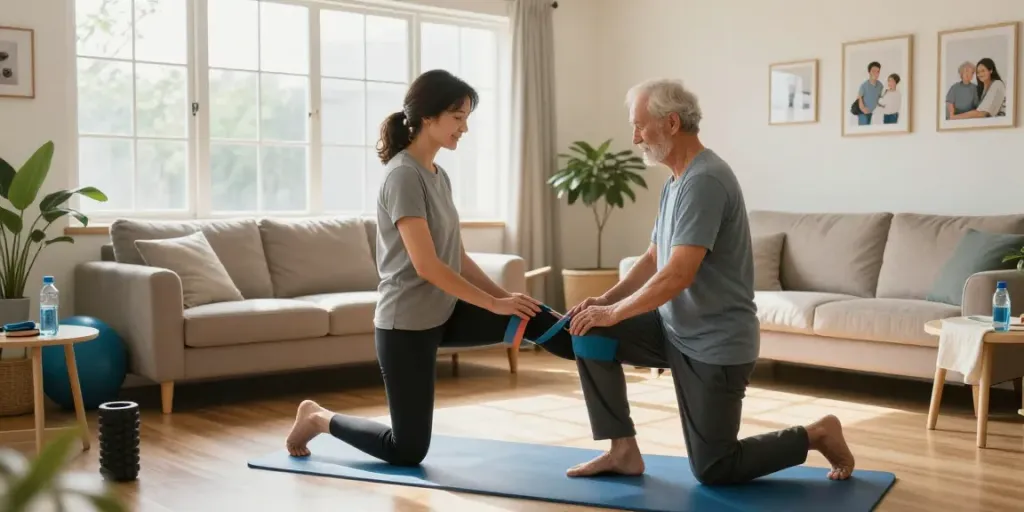
Understanding In-home Physiotherapy Services
In-home physiotherapy has emerged as a transformative service, particularly for those in Burlington, offering tailored rehabilitation in the comfort of one’s home. This approach not only fosters a relaxing environment but also enhances the overall effectiveness of treatment by allowing physiotherapists to oversee patients in their daily surroundings. When exploring options, In-home physiotherapy burlington provides comprehensive insights tailored to individual needs.
What is In-home Physiotherapy?
In-home physiotherapy refers to the practice where licensed physiotherapists provide therapeutic services directly in a patient’s home. This modality is particularly beneficial for individuals who may have mobility challenges, are recovering from surgery, or simply prefer the convenience of receiving treatment in a familiar setting. Therapists may focus on various areas, including pain management, rehabilitation after injury, or mobility improvement.
Benefits for Patients with Mobility Issues
For patients with mobility issues, in-home physiotherapy presents numerous advantages:
- Comfort and Convenience: Patients can receive therapy in a familiar and comfortable environment, reducing anxiety associated with clinical settings.
- Personalized Care: Treatment plans can be more effectively tailored as therapists observe the patient’s living conditions and can adjust exercises accordingly.
- Less Travel Stress: Eliminating the need to travel to a clinic can be especially significant for individuals with significant mobility limits.
Common Services Offered in Burlington
In Burlington, numerous services are available through in-home physiotherapy, including:
- Orthopedic Rehabilitation: Focused on recovering movement and strength post-injury or surgery.
- Neurological Physiotherapy: Aiding patients with neurological conditions like stroke or Parkinson's disease to regain function.
- Pediatric Physiotherapy: Supporting children with developmental issues or delays in motor skills.
How to Choose the Right Physiotherapist
Choosing a physiotherapist for in-home services is a crucial decision that can significantly impact recovery and overall health outcomes. Here are some factors to consider:
Qualifications and Experience to Look For
When evaluating physiotherapists, it’s essential to check their qualifications and experience. Look for:
- Licensing: Ensure they are fully licensed to practice in your area.
- Specializations: Some physiotherapists specialize in certain areas, such as geriatrics, pediatrics, or sports rehabilitation, so choose one whose expertise aligns with your needs.
- Experience: Inquire about their experience with similar cases to ensure they are well-equipped to handle your specific situation.
Questions to Ask During Your Consultation
Prior to starting treatment, it’s helpful to prepare some questions for your physiotherapist, such as:
- What treatment approach do you recommend for my specific condition?
- How many sessions do you estimate I will need?
- Can you provide examples of how you have successfully treated similar cases?
Evaluating Patient Compatibility and Comfort
Establishing a good rapport with your physiotherapist is essential for effective treatment. During your initial consultations, assess:
- Communication: Is the therapist easy to talk to and responsive to your concerns?
- Empathy: Do they demonstrate understanding and compassion towards your condition?
- Flexibility: Are they willing to adapt their approach based on your feedback and comfort levels?
Preparing Your Home for Physiotherapy Sessions
To maximize the benefits of in-home physiotherapy, consider making some adjustments to your space:
Creating a Safe and Accessible Environment
A safe environment is crucial for effective therapy sessions. This can include:
- Removing obstacles that could lead to falls.
- Ensuring adequate lighting in all areas where therapy will occur.
- Having necessary mobility aids, like walkers or handrails, readily available.
Essential Equipment for Effective Therapy
Therapists may require specific equipment for your sessions, such as:
- Resistance Bands: Useful for strength training and rehabilitation exercises.
- Yoga Mats: Providing comfort during floor exercises.
- Balance Equipment: Such as balance balls or wobble boards to enhance stability training.
How to Schedule and Organize Sessions
Effective scheduling can significantly enhance the in-home physiotherapy experience. Consider the following tips:
- Coordinate with your physiotherapist to establish a consistent schedule that works for both parties.
- Keep a calendar or log to track your sessions and progress.
- Be open to adjustments in scheduling as your therapy needs evolve.
Common Techniques Used in In-home Physiotherapy
In-home physiotherapy employs a variety of techniques tailored to individual needs and conditions. The following are some of the most common practices:
Strengthening Exercises and Their Benefits
Strengthening exercises play a pivotal role in rehabilitation, helping to:
- Restore muscle function and strength.
- Prevent future injuries by enhancing muscle stability.
- Improve overall physical performance in daily activities.
Manual Therapy Techniques Explained
Manual therapy involves hands-on techniques aimed at relieving pain and improving mobility. Examples include:
- Myofascial Release: Targeting tight areas of muscle and connective tissue to relieve tension.
- Joint Mobilization: Gently moving joints to enhance range of motion.
Incorporating Technology for Remote Sessions
With advancements in technology, in-home physiotherapy can also incorporate virtual sessions. These may utilize:
- Telehealth Platforms: Allowing patients to connect with therapists through video calls.
- Mobile Apps: Enabling patients to track exercises and communicate with their physiotherapists.
Future Trends in In-home Physiotherapy
The in-home physiotherapy landscape is continually evolving, influenced by advancements in technology and patient care practices. Here are some trends to watch:
Innovations and Advancements Shaping the Industry
Emerging technologies such as artificial intelligence and wearable devices are set to enhance in-home therapy. These innovations could allow for:
- Personalized treatment plans based on real-time data collected from wearable technologies.
- Enhanced monitoring of patient progress through connected devices.
Predictions for In-home Therapy in 2026
Looking ahead, in-home physiotherapy is expected to grow significantly. Predictions for 2026 include:
- Increased reliance on remote care options, allowing more patients to access services.
- Greater integration of telehealth support in traditional practice.
How to Stay Informed on Trends and Practices
To remain updated on the latest trends in in-home physiotherapy, consider:
- Following reputable physiotherapy associations and organizations.
- Subscribing to newsletters and online forums focused on physical therapy.
- Participating in workshops and seminars related to physiotherapy advancements.
Frequently Asked Questions About In-home Physiotherapy
Here are some common queries regarding in-home physiotherapy:
How much is 1 hour of physiotherapy?
The cost of in-home physiotherapy can vary significantly based on location, therapist experience, and service complexity, but it typically ranges from $100 to $200 per hour.
What is a red flag in physiotherapy?
Red flags are warning signs that indicate a serious underlying condition could be present. Examples include severe, unexplained pain, sudden changes in mobility, or significant neurological symptoms.
How much is physiotherapy at home?
At-home physiotherapy sessions often entail a premium due to travel and personalized care time, averaging between $150 to $300 per session, depending on the therapist’s qualifications and location.
What is the 80/20 rule in physiotherapy?
The 80/20 rule in physiotherapy suggests that 80% of a patient's results come from 20% of the interventions. This emphasizes focusing on the most effective treatments to maximize rehabilitation outcomes.